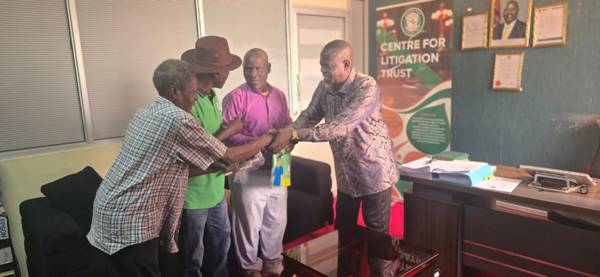
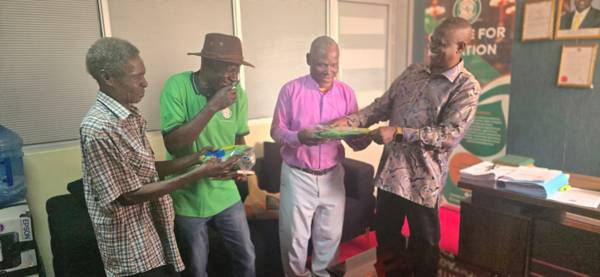
CLT empowers communities through legal education, strategic litigation, and advocacy aimed at strengthening justice and equality for all.

The average citizen is often powerless and indifferent in the face of state authority due to poverty, a disempowering education system, religious indoctrination, and the state’s organized use of violence.
CLT seeks to establish a structured, practice-based learning program designed to strengthen the capacity of stakeholders to continuously improve the ecosystem of access to justice for all professionals and community cadres.

The Constitution of Kenya (Katiba) remains the primary framework for safeguarding human dignity, accountability, and the rule of law. However, limited public awareness and weak civic education continue to hinder its full realization.
CLT promotes constitutional literacy by equipping citizens, community leaders, and justice sector actors with practical knowledge of constitutional rights, governance structures, and accountability mechanisms. Through training, public dialogues, and community-based learning, CLT seeks to deepen constitutional consciousness and empower communities to actively defend and advance the values and aspirations of Katiba.

CLT will continue to place empowerment at the centre of its work, bringing together litigants research, policy influencing, and campaigning in alliance with movements, coalitions, and impacted communities.

CLT strengthens social impact by working closely with community groups, civil society organizations, and institutional partners to design and implement inclusive outreach programs. Through strategic partnerships, CLT supports community capacity building, promotes civic engagement, and facilitates dialogue between communities and decision-makers.
The program emphasizes collaboration, knowledge sharing, and locally driven solutions to ensure sustainable development outcomes that respond to community needs while reinforcing accountability and social cohesion.
Looking at Legal trends, climate related litigationis continuing to grow in importance. Several communities and legal envrionment organizations, including the co-founders, have succesfully litigated against harmfull projects and rights violations. The centre will continue to focus on this front and work very closely with the Land and Environment court and its Court Users Association, environment tribunal among other agencies. Land ownership can be hugely transformative offering the economic security to increase a communities' resilience in the face of economic and climate shocks. It also offers cultural security enabling people to live in their traditional ways of life.
The centre for litigation trust offers unpaid internship of individuals either currently studying or recently qualified in the areas of law, policy, environmental science, community development and comunications.
Both local and international interns are strongly encouraged to apply. The centre provides internship at its hub situated in Nyali Links road Mombasa.
Environmental human rights defenders play a vital role in protecting ecosystems from unsustainable industrial development, logging, and extractive projects. However, the nature of their work exposes them to significant risks.
Around the world, incidents of attacks against environmental rights defenders continue to rise. The Centre for Litigation has commended the efforts of international bodies such as the International Land Coalition Africa and the ICCA Consortium for their initiatives to ensure that environmental defenders are protected. Other activities under this initiative include:
Legal empowerment of defenders
Legal and litigation support
Provision of training to defenders, including digital and physical security, as well as psychosocial support
Raising international awareness of African defenders
Local, national, and regional advocacy for the protection of defenders
Capacity development and support for defenders through various networks
Participation in defender-focused coalitions, including the Defending Land and Environmental Defenders Coalition
Training on governance for both government and private sectors
Credible elections are a cornerstone of democratic governance. However, disputes often arise due to
irregularities, administrative errors, or violations of electoral laws.
The Centre provides expert support in handling electoral disputes through:
Legal advisory and representation in electoral petitions
Monitoring and documentation of electoral process violations
Capacity-building for communities on electoral rights
Engagement with election monitoring bodies and tribunals
Advocacy for transparent and accountable electoral systems
Our Economic and Social Protection program focuses on empowering vulnerable
communities by ensuring equitable access to resources, fair labor practices,
and strengthened social safety nets. The initiative supports individuals and families
exposed to poverty, lack of employment opportunities, or social exclusion.
Through community-centered interventions, research, and advocacy, we work to promote
economic justice and improve the quality of life for marginalized groups.
Strengthening community resilience through livelihood support
Legal assistance on labor and social welfare issues
Community outreach and education on economic rights
Advocacy for fair economic policies and social protection frameworks
Capacity building for women, youth, and vulnerable populations
Support for social security access and legal documentation

Promoting peace and social cohesion is central to sustainable development and the
protection of human rights. Communities face challenges from conflict, disputes,
and social divisions that can disrupt harmony and undermine development.
The Centre for Litigation Trust works to strengthen social cohesion by supporting
dialogue, reconciliation, and community-led initiatives that foster understanding,
collaboration, and resilience.
Legal support and advocacy in conflict-affected communities
Promoting dialogue and reconciliation among diverse groups
Community mediation and collaborative problem-solving initiatives
Support for vulnerable populations affected by conflict or social tensions
Engagement with local, state, and civil society actors to strengthen cohesion
Capacity building on human rights, social justice, and non-violent communication
Research, documentation, and advocacy on peace and community cohesion

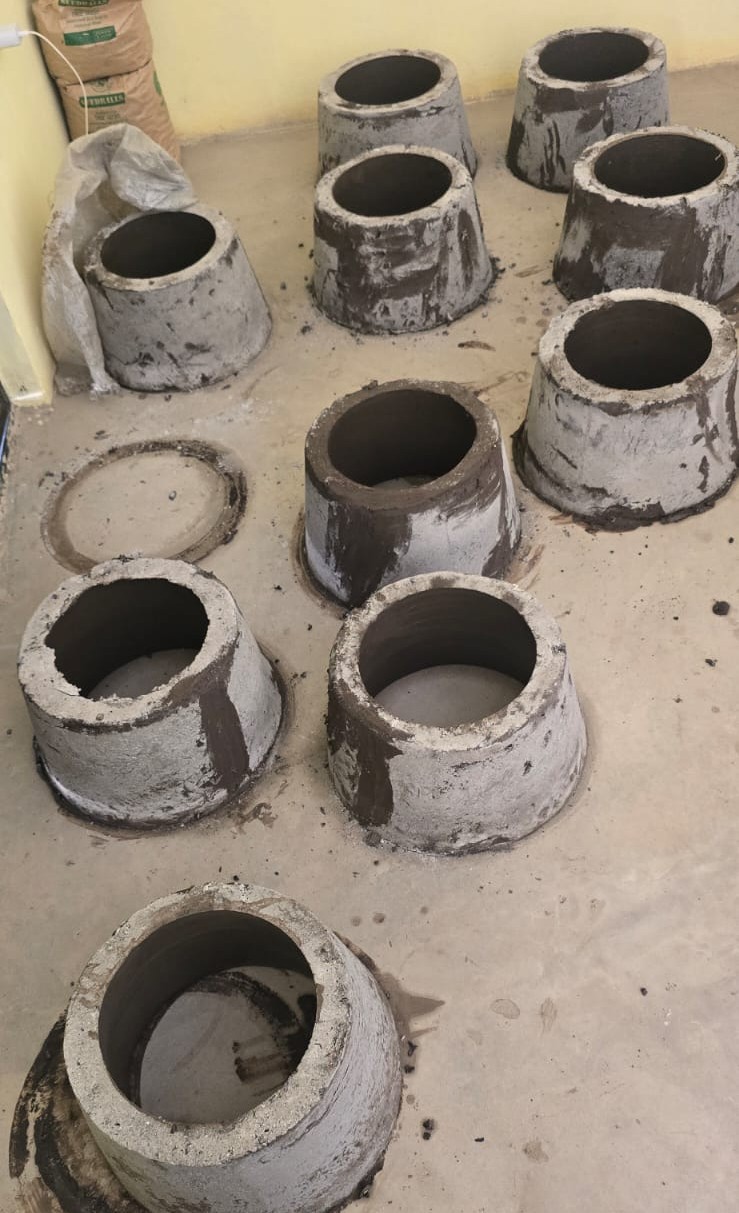
The Centre for Litigation Trust promotes clean and affordable cooking solutions that improve household health, protect the environment, and strengthen local livelihoods. This initiative focuses on the use of clean energy cooking jikos paired with environmentally friendly fuel briquettes as a sustainable alternative to traditional charcoal and firewood.
The briquettes are produced from recycled organic materials such as cassava waste and sawdust, providing a clean-burning, low-smoke energy source that significantly reduces indoor air pollution. Through training and community engagement, women are supported to use, produce, and distribute these clean cooking solutions, enabling safer kitchens and more affordable household energy.
By equipping women with skills in briquette production, clean cookstove use, and small-scale energy entrepreneurship, the Centre promotes economic empowerment, reduces pressure on forests, and improves household health outcomes. This initiative strengthens community resilience while advancing environmental conservation, sustainable livelihoods, and gender equality—particularly in underserved communities.


Whether you’re seeking legal advice, human rights assistance, or guidance on ongoing litigation, our team is here to help. Schedule a confidential consultation with one of our experts today.
What our clients, partners, and community members say about the Center for Litigation and Justice.

The Center’s team stood with us through every step. Their dedication to justice and fairness restored my faith in our legal system.
“Their legal awareness programs are changing lives. The Center empowers people to understand and claim their rights.”
“When no one else listened, the Center for Litigation took my case seriously. I’ll always be grateful for their professionalism.”
“Collaborating with the Center has strengthened our legal outreach. Their commitment to justice is unmatched.”
Monday - Friday
08:00 am - 05:00 pm
Saturday
8:00 am - 12:00 pm
Sunday
Closed